
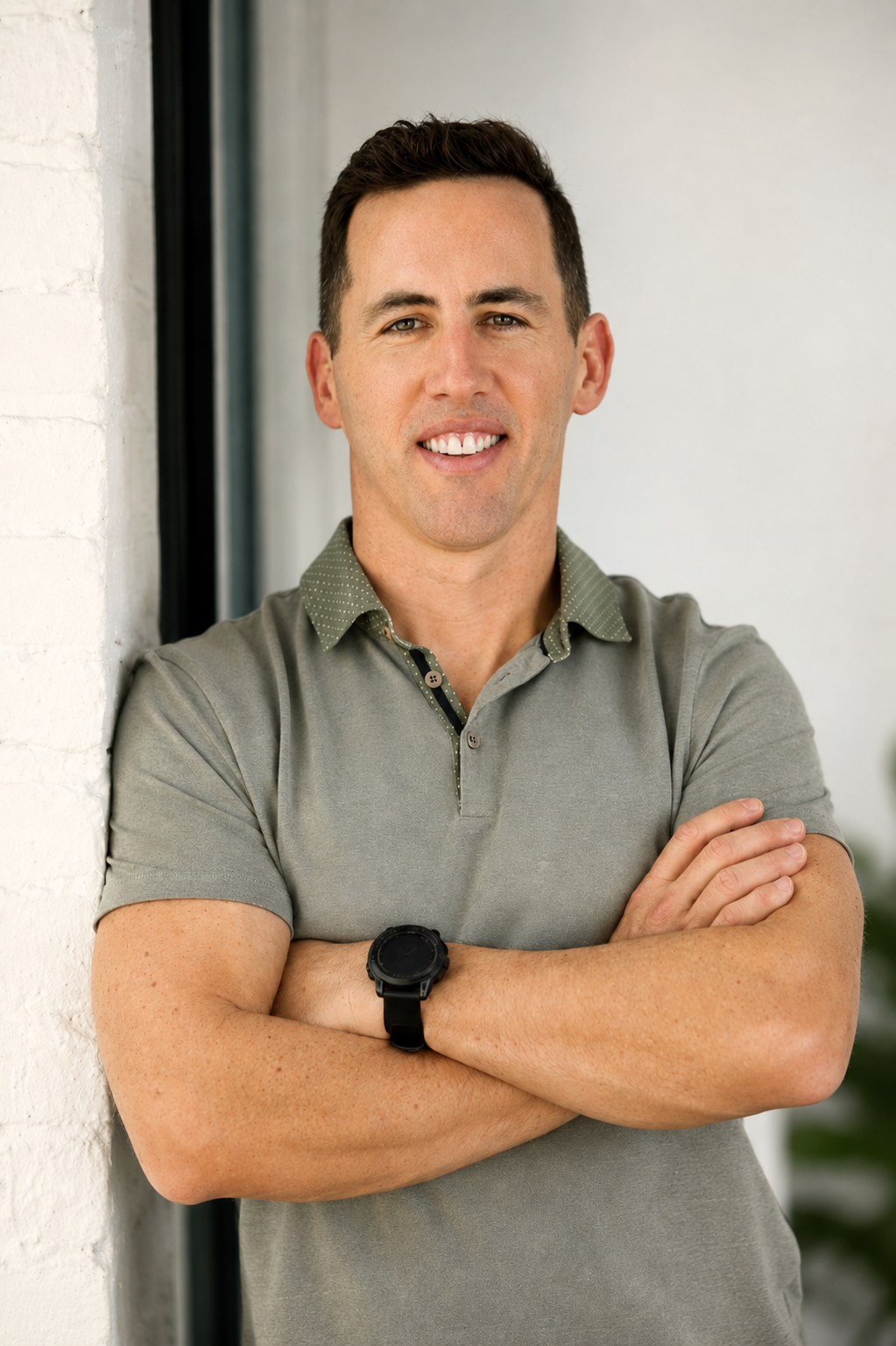
Chris Beerman, LCSW, CADC: Gambling and Alcohol Addiction Therapist in Chicago
In person in Logan Square, Chicago. Online throughout Illinois and Minnesota.
I’m a Licensed Clinical Social Worker and Certified Alcohol and Drug Counselor, and at the core, I treat addiction. I’ve spent eight years doing this work, in a hospital detox unit, a residential program, and since 2022 in my own practice, and gambling, sports betting, high-risk trading, and alcohol are the problems I know best. If you’ve been hiding what’s going on, here is the main thing I want you to know: you won’t have to explain how gambling works, or convince me it’s a real problem, before we can get started.
Why I Specialize in Gambling
Gambling kept showing up in my work. What stood out was how hard it was for people to find a therapist who really understood it. Clients were describing sports betting, chasing losses, hiding money, self-exclusion, relapse, and the constant pull to win back what they had lost. Too often, they had already been in therapy where gambling was treated as a side issue.
The more of these clients I worked with, the clearer it became that gambling deserves specialized attention. It moves quickly, the financial consequences can be severe, and the shame often keeps people from asking for help until things have gotten pretty bad. I wanted to build a practice where someone could walk in and not have to spend the first several sessions explaining how gambling works.
I understand the mechanics: parlays, live betting, sportsbook promotions, self-exclusion, casino loyalty programs, video gambling terminals, crypto and options trading, financial secrecy, withdrawal from gambling, and the strange experience of losing money while still feeling convinced the next bet could fix everything. You should not have to translate that world for your therapist before therapy can begin.
At the Core, I Treat Addiction
Gambling, alcohol, high-risk trading, and other compulsive behaviors can look very different on the surface, but the underlying patterns are often similar: loss of control, repeated attempts to cut back, secrecy, shame, consequences, and continuing even when part of you knows it is hurting your life.
I work with other addictions as well, but gambling, alcohol, and high-risk trading are the areas where I have developed particular expertise. I am less interested in the label than in understanding what the behavior is doing for you, why it has become so hard to stop, and what needs to change for you to regain control.
The behavior usually makes sense before it becomes destructive. Someone chasing a gambling loss is not simply making a bad financial decision. Someone checking a trading account fifty times a day is not necessarily motivated by money alone. Someone drinking every Friday night may be trying to solve a problem that begins long before the first drink. I pay close attention to what happens immediately before the behavior, what you get from it in the moment, and what keeps pulling you back despite the consequences.
How I Work
I draw on a few approaches and fit them to you rather than to a fixed program.
- Motivational interviewing. We look honestly at the part of you that wants to change and the part that does not, without forcing a goal before you are ready.
- Cognitive behavioral therapy (CBT). We identify the thoughts, triggers, routines, and situations that keep the behavior going and build practical ways to interrupt them.
- Psychodynamic therapy. We look underneath the behavior at the emotional and relationship patterns that may be driving it.
- Acceptance and commitment therapy (ACT). We work on making room for urges, anxiety, shame, or discomfort without automatically reacting to them.
- CRAFT, for partners and families. When I work with partners or family members, I use CRAFT principles to help them respond in ways that support change without getting pulled into policing or rescuing.
What happens in a first session
The first session is mostly about understanding what has been happening and what you want help with. We will talk about the behavior itself: how often it is happening, what you have already tried, what tends to trigger it, and what consequences you are dealing with now. I also want to understand the rest of your life, including relationships, work, stress, mental health, and substance use, because addiction rarely exists in isolation.
You do not need to arrive with a perfectly defined goal. By the end of the session, we should have a clearer picture of what is going on, what needs attention first, and what treatment might look like.
Quitting or cutting back
I work with both abstinence and moderation goals. I do not assume that everyone who drinks too much needs to make the same decision. We look at your history, the severity of the problem, what has happened when you have tried to control it, and what you actually want. If you are weighing the two, this guide to moderation versus quitting is a good place to start.
There are limits. If moderation has repeatedly failed, if alcohol use is creating serious medical or safety risks, or if stopping could involve dangerous withdrawal, I will be direct about that. In those situations I may recommend abstinence, a medical evaluation, or a higher level of care. The goal is not to fit you into a philosophy. It is to figure out what is realistic, safe, and sustainable for you.
Who I Work With
I am usually a good fit for adults who are struggling with gambling, alcohol, high-risk trading, or other addictive behaviors and want an outpatient therapist who understands addiction in depth. I also work well with people who are not completely sure what they want yet. You may know something needs to change without knowing whether that means quitting, cutting back, or simply understanding the pattern better.
There are situations where outpatient therapy with me is not the right starting point. I would refer someone for a higher level of care if they need medical detox, inpatient or residential treatment, intensive stabilization, or more support than weekly outpatient therapy can safely provide. Having worked in those settings, I know what they offer and when they are the right call; this guide to choosing a level of care explains the options.
Where I Have Worked
Before private practice, I worked in medical detox at Harborview Recovery Center at St. Joseph Hospital, and at Haymarket Center, where I supervised the men's 28-day residential program. Those settings taught me what the acute end of addiction looks like, who needs a higher level of care, and what actually helps once the crisis passes.
I opened Chicago Addiction Therapy in June 2022. In eight years of this work I have sat with hundreds of people with gambling and alcohol problems, and with the partners and parents trying to figure out how to help them.
Training and Credentials
- Master of Social Work, Loyola University Chicago, Substance Abuse concentration (2020)
- Licensed Clinical Social Worker (LCSW), Illinois
License 149.024246 · verify with IDFPR - Licensed Independent Clinical Social Worker (LICSW), Minnesota
License 32822 · verify with the Minnesota Board of Social Work - Certified Alcohol and Drug Counselor (CADC), Illinois Certification Board
Credential 36462 · verify on the ICB public registry - Problem gambling counselor training: completed the Illinois Council on Problem Gambling's 30-hour Problem Gambling Basic Training, the coursework for the state's PCGC credential
- Additional training in dialectical behavior therapy (DBT), acceptance and commitment therapy (ACT), and CRAFT for families
Fees and Insurance
Sessions are $200 for individuals and $250 for couples. Through Headway, I am in network with Aetna, Blue Cross and Blue Shield of Illinois, Blue Cross and Blue Shield of Minnesota, Cigna, UnitedHealthcare, Oscar, and Oxford. The complete, current list is on my Headway profile, where you can check your coverage and book directly. If I am not in network with your plan, I can provide a superbill you can submit to your insurer for out-of-network reimbursement.
The first step is a free 15-minute consultation. Tell me what has been happening, and we will figure out together whether working with me makes sense.
The Office
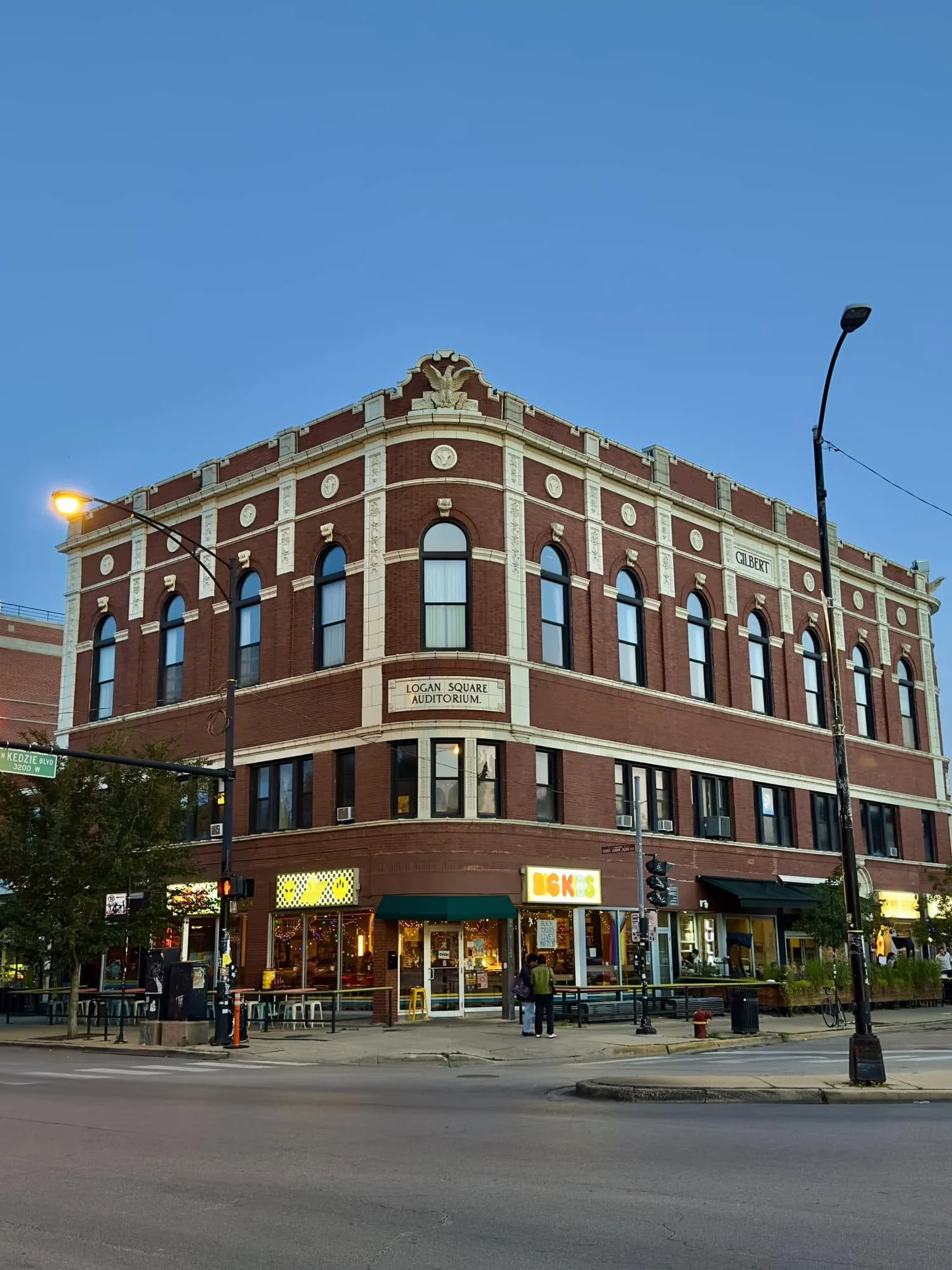

My office is at 2539 N Kedzie Blvd in Logan Square, Chicago. In-person and telehealth sessions are both available, whichever fits your life better. Online sessions are available throughout Illinois and throughout Minnesota.
Outside the Office
I am a lifelong Chicagoan and an endurance athlete: six Ironmans, the 70.3 World Championships, numerous marathons, and gravel races. When I am not training, I am usually somewhere along Lake Michigan or out walking my dog.
Ready to Talk?
You do not need to have everything figured out before reaching out. We can start with what is happening now, what you want to change, and what would make life feel more manageable again. Not judged. Not lectured. And not pressured into making a promise about the rest of your life before you are ready.
Schedule a free 15-minute consultation → Check insurance and book on Headway
Chris Beerman, MSW, LCSW, CADC
Chicago Addiction Therapy · 2539 N Kedzie Blvd, Chicago, IL 60647
In person in Logan Square and online throughout Illinois and Minnesota
How I write and check what I publish on this site is on the editorial standards page. Journalists and producers: a bio, headshot, areas of expertise, and the Illinois gambling data I maintain are on the press and media page.
If you are in crisis, call or text 988. Illinois gambling helpline: 1-800-GAMBLER, or text GAMB to 833234. Minnesota: 1-800-333-HOPE.